turkmenistansTopFifteenTouristPlaces
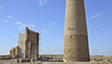

15. Dayahatyn Caravanserai
Ahal Velayat is located in the central part of Turkmenistan. Its total area is about 98 000 km2. Favourable weather conditions and fertile soil provide producing a wide range of agricultural commodities in the region. The leading traditional activities are wheat production, cotton and vegetable growing, viticulture and silkworm breeding
Since ancient times, the Turkmen land has been considered the home of the world's best fruits – sweet, fragrant melons. According to a legend, the fruits represent a gift to humanity from paradise. The historical chronicles evidence that, as early as the 7th-9th centuries, the Turkmen melons were supplied to the palaces of Arab rulers and were highly appreciated. Sun-drenched grapes, distinguished by the high sugar content, are not inferior to melons in their taste. Growing under the generous Turkmen sunrays, grapes acquire a unique and rich taste. Grapes are the basic raw materials for the production in wineries. Thus, aged cognac has a rich and refined aroma, and wine possesses a unique and delicious taste
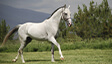
There are the ruins of the ancient settlements in the picturesque valley at the foothills of the Kopetdag Mountains in Ahal Velayat. The Old and New Nisa are the significant historical and cultural sites of Turkmenistan inscribed on the UNESCO World Heritage List. In ancient times, palaces, temples, and the untold treasures of the Parthian kings were situated here. People bred miraculous horses on the fertile green pastures. Nisa is the home of the famous Ahalteke horses
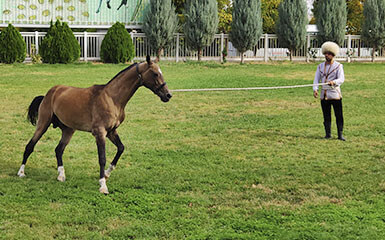
‘Steel wrapped in silk’ is one of the many nicknames of the Turkmen Ahalteke horses, which are often called ‘heavenly argamaks’, ‘heavenly horses, ‘golden horses of Parthia’, ‘paradise horses’, ‘Nisian horses’, ‘miracle of nature’, ‘emperors’ horses’, ‘star trotters’, ‘horses of excellent qualities’, etc. Each of these names reflects the great glory that the Turkmen horse has enhanced during the ages-old history. The Chinese emperors were striving to get this treasure. They were ready to pay the amount of gold equal to the Ahalteke horse weight. The region has excellent opportunities for horse tours, and special horse routes have been developed for tourists in the Karakum Desert. Everyone can visit a farm and ride the famous horses in Velayat
Moreover, people cannot resist admiring the famous Turkmen carpets, which excite with their beauty, refinement, wonderful harmony of thousands colours. The Turkmen national art of carpet weaving, as well as the Gorogly epic, the Kushtdepdi rite of singing and dancing are inscribed on the UNESCO Representative List of the Intangible Cultural Heritage of Humanity
14. Awaza Resort
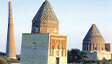
The Seyit Jemaletdin Mosque stands out among other must-sees in the region. The monument was built in the middle of the 15th century. It is commonly called the ‘house of beauty’. The well-known Anau culture is also located nearby – the remains of the 7000-years-old agricultural settlements. In Kaka Etrap, near the modern village of Dushak, there is the Mausoleum-Shrine of Abu Seyit Abul Hayr, known as Meana Baba. It was built in the medieval city of Meyhen, which was subordinate to Abiverd, during the rise of the Turkmen Seljuk Empire
The Abul Fazl tomb, known as Serahs Baba, which was constructed in the 11th century in the suburbs of Serahs, is of great importance among the preserved cultural monuments in Ahal Velayat
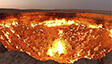
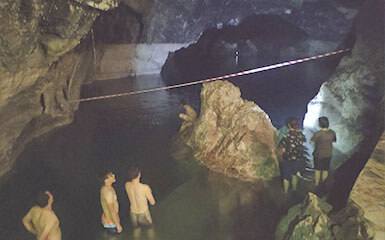
Obviously, a unique work of nature is the Kov Ata Cave, with a lake at a 60-metre depth. Its waters are saturated with hydrogen sulphide, contain dozens of micro and macro elements, and have healing properties. Darvaza is one of the most amazing places in Turkmenistan, which has attracted thousands of tourists for many decades. Local residents call it ‘the shining of the Karakum Desert’, and foreign tourists nicknamed the site ‘door to hell’. The Nohur settlement, located in the foothills of the Kopetdag Mountains, also captivates tourists. The settlement is one of the most exciting tourist destinations in Turkmenistan. Even a short acquaintance with its culture and life is a unique experience that will remain in the memory of travellers
Discovering the region will enchant you with the picturesque landscapes at the foothills of the Kopetdag Mountains. The majestic outlines of mountains are charming with their splendour. Travellers can take a hiking tour in the Kopetdag Mountains. The magnificent views of the foothills, clean mountain air, endless meadows covered with greenery, the richness and originality of the flora are vivid evidence of the ecological integrity of these places
13. Dehistan
The Seyit Jemaletdin Mosque stands out among other must-sees in the region. The monument was built in the middle of the 15th century. It is commonly called the ‘house of beauty’. The well-known Anau culture is also located nearby – the remains of the 7000-years-old agricultural settlements. In Kaka Etrap, near the modern village of Dushak, there is the Mausoleum-Shrine of Abu Seyit Abul Hayr, known as Meana Baba. It was built in the medieval city of Meyhen, which was subordinate to Abiverd, during the rise of the Turkmen Seljuk Empire
The Abul Fazl tomb, known as Serahs Baba, which was constructed in the 11th century in the suburbs of Serahs, is of great importance among the preserved cultural monuments in Ahal Velayat
Obviously, a unique work of nature is the Kov Ata Cave, with a lake at a 60-metre depth. Its waters are saturated with hydrogen sulphide, contain dozens of micro and macro elements, and have healing properties. Darvaza is one of the most amazing places in Turkmenistan, which has attracted thousands of tourists for many decades. Local residents call it ‘the shining of the Karakum Desert’, and foreign tourists nicknamed the site ‘door to hell’. The Nohur settlement, located in the foothills of the Kopetdag Mountains, also captivates tourists. The settlement is one of the most exciting tourist destinations in Turkmenistan. Even a short acquaintance with its culture and life is a unique experience that will remain in the memory of travellers
Discovering the region will enchant you with the picturesque landscapes at the foothills of the Kopetdag Mountains. The majestic outlines of mountains are charming with their splendour. Travellers can take a hiking tour in the Kopetdag Mountains. The magnificent views of the foothills, clean mountain air, endless meadows covered with greenery, the richness and originality of the flora are vivid evidence of the ecological integrity of these places
12. Carpet and National Museums
The Seyit Jemaletdin Mosque stands out among other must-sees in the region. The monument was built in the middle of the 15th century. It is commonly called the ‘house of beauty’. The well-known Anau culture is also located nearby – the remains of the 7000-years-old agricultural settlements. In Kaka Etrap, near the modern village of Dushak, there is the Mausoleum-Shrine of Abu Seyit Abul Hayr, known as Meana Baba. It was built in the medieval city of Meyhen, which was subordinate to Abiverd, during the rise of the Turkmen Seljuk Empire
The Abul Fazl tomb, known as Serahs Baba, which was constructed in the 11th century in the suburbs of Serahs, is of great importance among the preserved cultural monuments in Ahal Velayat
Obviously, a unique work of nature is the Kov Ata Cave, with a lake at a 60-metre depth. Its waters are saturated with hydrogen sulphide, contain dozens of micro and macro elements, and have healing properties. Darvaza is one of the most amazing places in Turkmenistan, which has attracted thousands of tourists for many decades. Local residents call it ‘the shining of the Karakum Desert’, and foreign tourists nicknamed the site ‘door to hell’. The Nohur settlement, located in the foothills of the Kopetdag Mountains, also captivates tourists. The settlement is one of the most exciting tourist destinations in Turkmenistan. Even a short acquaintance with its culture and life is a unique experience that will remain in the memory of travellers
Discovering the region will enchant you with the picturesque landscapes at the foothills of the Kopetdag Mountains. The majestic outlines of mountains are charming with their splendour. Travellers can take a hiking tour in the Kopetdag Mountains. The magnificent views of the foothills, clean mountain air, endless meadows covered with greenery, the richness and originality of the flora are vivid evidence of the ecological integrity of these places
11. Kowata Underground Lake
The Seyit Jemaletdin Mosque stands out among other must-sees in the region. The monument was built in the middle of the 15th century. It is commonly called the ‘house of beauty’. The well-known Anau culture is also located nearby – the remains of the 7000-years-old agricultural settlements. In Kaka Etrap, near the modern village of Dushak, there is the Mausoleum-Shrine of Abu Seyit Abul Hayr, known as Meana Baba. It was built in the medieval city of Meyhen, which was subordinate to Abiverd, during the rise of the Turkmen Seljuk Empire
The Abul Fazl tomb, known as Serahs Baba, which was constructed in the 11th century in the suburbs of Serahs, is of great importance among the preserved cultural monuments in Ahal Velayat
Obviously, a unique work of nature is the Kov Ata Cave, with a lake at a 60-metre depth. Its waters are saturated with hydrogen sulphide, contain dozens of micro and macro elements, and have healing properties. Darvaza is one of the most amazing places in Turkmenistan, which has attracted thousands of tourists for many decades. Local residents call it ‘the shining of the Karakum Desert’, and foreign tourists nicknamed the site ‘door to hell’. The Nohur settlement, located in the foothills of the Kopetdag Mountains, also captivates tourists. The settlement is one of the most exciting tourist destinations in Turkmenistan. Even a short acquaintance with its culture and life is a unique experience that will remain in the memory of travellers
Discovering the region will enchant you with the picturesque landscapes at the foothills of the Kopetdag Mountains. The majestic outlines of mountains are charming with their splendour. Travellers can take a hiking tour in the Kopetdag Mountains. The magnificent views of the foothills, clean mountain air, endless meadows covered with greenery, the richness and originality of the flora are vivid evidence of the ecological integrity of these places
10. Altyn Asyr (Tolkuchka) Bazaar
The Seyit Jemaletdin Mosque stands out among other must-sees in the region. The monument was built in the middle of the 15th century. It is commonly called the ‘house of beauty’. The well-known Anau culture is also located nearby – the remains of the 7000-years-old agricultural settlements. In Kaka Etrap, near the modern village of Dushak, there is the Mausoleum-Shrine of Abu Seyit Abul Hayr, known as Meana Baba. It was built in the medieval city of Meyhen, which was subordinate to Abiverd, during the rise of the Turkmen Seljuk Empire
The Abul Fazl tomb, known as Serahs Baba, which was constructed in the 11th century in the suburbs of Serahs, is of great importance among the preserved cultural monuments in Ahal Velayat
Obviously, a unique work of nature is the Kov Ata Cave, with a lake at a 60-metre depth. Its waters are saturated with hydrogen sulphide, contain dozens of micro and macro elements, and have healing properties. Darvaza is one of the most amazing places in Turkmenistan, which has attracted thousands of tourists for many decades. Local residents call it ‘the shining of the Karakum Desert’, and foreign tourists nicknamed the site ‘door to hell’. The Nohur settlement, located in the foothills of the Kopetdag Mountains, also captivates tourists. The settlement is one of the most exciting tourist destinations in Turkmenistan. Even a short acquaintance with its culture and life is a unique experience that will remain in the memory of travellers
Discovering the region will enchant you with the picturesque landscapes at the foothills of the Kopetdag Mountains. The majestic outlines of mountains are charming with their splendour. Travellers can take a hiking tour in the Kopetdag Mountains. The magnificent views of the foothills, clean mountain air, endless meadows covered with greenery, the richness and originality of the flora are vivid evidence of the ecological integrity of these places
9. Nohur mountain village
The Seyit Jemaletdin Mosque stands out among other must-sees in the region. The monument was built in the middle of the 15th century. It is commonly called the ‘house of beauty’. The well-known Anau culture is also located nearby – the remains of the 7000-years-old agricultural settlements. In Kaka Etrap, near the modern village of Dushak, there is the Mausoleum-Shrine of Abu Seyit Abul Hayr, known as Meana Baba. It was built in the medieval city of Meyhen, which was subordinate to Abiverd, during the rise of the Turkmen Seljuk Empire
The Abul Fazl tomb, known as Serahs Baba, which was constructed in the 11th century in the suburbs of Serahs, is of great importance among the preserved cultural monuments in Ahal Velayat
Obviously, a unique work of nature is the Kov Ata Cave, with a lake at a 60-metre depth. Its waters are saturated with hydrogen sulphide, contain dozens of micro and macro elements, and have healing properties. Darvaza is one of the most amazing places in Turkmenistan, which has attracted thousands of tourists for many decades. Local residents call it ‘the shining of the Karakum Desert’, and foreign tourists nicknamed the site ‘door to hell’. The Nohur settlement, located in the foothills of the Kopetdag Mountains, also captivates tourists. The settlement is one of the most exciting tourist destinations in Turkmenistan. Even a short acquaintance with its culture and life is a unique experience that will remain in the memory of travellers
Discovering the region will enchant you with the picturesque landscapes at the foothills of the Kopetdag Mountains. The majestic outlines of mountains are charming with their splendour. Travellers can take a hiking tour in the Kopetdag Mountains. The magnificent views of the foothills, clean mountain air, endless meadows covered with greenery, the richness and originality of the flora are vivid evidence of the ecological integrity of these places
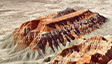
8. Koytendag - Plateau of Dinosaurs
The Seyit Jemaletdin Mosque stands out among other must-sees in the region. The monument was built in the middle of the 15th century. It is commonly called the ‘house of beauty’. The well-known Anau culture is also located nearby – the remains of the 7000-years-old agricultural settlements. In Kaka Etrap, near the modern village of Dushak, there is the Mausoleum-Shrine of Abu Seyit Abul Hayr, known as Meana Baba. It was built in the medieval city of Meyhen, which was subordinate to Abiverd, during the rise of the Turkmen Seljuk Empire
The Abul Fazl tomb, known as Serahs Baba, which was constructed in the 11th century in the suburbs of Serahs, is of great importance among the preserved cultural monuments in Ahal Velayat
Obviously, a unique work of nature is the Kov Ata Cave, with a lake at a 60-metre depth. Its waters are saturated with hydrogen sulphide, contain dozens of micro and macro elements, and have healing properties. Darvaza is one of the most amazing places in Turkmenistan, which has attracted thousands of tourists for many decades. Local residents call it ‘the shining of the Karakum Desert’, and foreign tourists nicknamed the site ‘door to hell’. The Nohur settlement, located in the foothills of the Kopetdag Mountains, also captivates tourists. The settlement is one of the most exciting tourist destinations in Turkmenistan. Even a short acquaintance with its culture and life is a unique experience that will remain in the memory of travellers
Discovering the region will enchant you with the picturesque landscapes at the foothills of the Kopetdag Mountains. The majestic outlines of mountains are charming with their splendour. Travellers can take a hiking tour in the Kopetdag Mountains. The magnificent views of the foothills, clean mountain air, endless meadows covered with greenery, the richness and originality of the flora are vivid evidence of the ecological integrity of these places
8. Koytendag - Plateau of Dinosaurs
The Seyit Jemaletdin Mosque stands out among other must-sees in the region. The monument was built in the middle of the 15th century. It is commonly called the ‘house of beauty’. The well-known Anau culture is also located nearby – the remains of the 7000-years-old agricultural settlements. In Kaka Etrap, near the modern village of Dushak, there is the Mausoleum-Shrine of Abu Seyit Abul Hayr, known as Meana Baba. It was built in the medieval city of Meyhen, which was subordinate to Abiverd, during the rise of the Turkmen Seljuk Empire
The Abul Fazl tomb, known as Serahs Baba, which was constructed in the 11th century in the suburbs of Serahs, is of great importance among the preserved cultural monuments in Ahal Velayat
Obviously, a unique work of nature is the Kov Ata Cave, with a lake at a 60-metre depth. Its waters are saturated with hydrogen sulphide, contain dozens of micro and macro elements, and have healing properties. Darvaza is one of the most amazing places in Turkmenistan, which has attracted thousands of tourists for many decades. Local residents call it ‘the shining of the Karakum Desert’, and foreign tourists nicknamed the site ‘door to hell’. The Nohur settlement, located in the foothills of the Kopetdag Mountains, also captivates tourists. The settlement is one of the most exciting tourist destinations in Turkmenistan. Even a short acquaintance with its culture and life is a unique experience that will remain in the memory of travellers
Discovering the region will enchant you with the picturesque landscapes at the foothills of the Kopetdag Mountains. The majestic outlines of mountains are charming with their splendour. Travellers can take a hiking tour in the Kopetdag Mountains. The magnificent views of the foothills, clean mountain air, endless meadows covered with greenery, the richness and originality of the flora are vivid evidence of the ecological integrity of these places
7. Ashgabat - White Marble City
The Seyit Jemaletdin Mosque stands out among other must-sees in the region. The monument was built in the middle of the 15th century. It is commonly called the ‘house of beauty’. The well-known Anau culture is also located nearby – the remains of the 7000-years-old agricultural settlements. In Kaka Etrap, near the modern village of Dushak, there is the Mausoleum-Shrine of Abu Seyit Abul Hayr, known as Meana Baba. It was built in the medieval city of Meyhen, which was subordinate to Abiverd, during the rise of the Turkmen Seljuk Empire
The Abul Fazl tomb, known as Serahs Baba, which was constructed in the 11th century in the suburbs of Serahs, is of great importance among the preserved cultural monuments in Ahal Velayat
Obviously, a unique work of nature is the Kov Ata Cave, with a lake at a 60-metre depth. Its waters are saturated with hydrogen sulphide, contain dozens of micro and macro elements, and have healing properties. Darvaza is one of the most amazing places in Turkmenistan, which has attracted thousands of tourists for many decades. Local residents call it ‘the shining of the Karakum Desert’, and foreign tourists nicknamed the site ‘door to hell’. The Nohur settlement, located in the foothills of the Kopetdag Mountains, also captivates tourists. The settlement is one of the most exciting tourist destinations in Turkmenistan. Even a short acquaintance with its culture and life is a unique experience that will remain in the memory of travellers
Discovering the region will enchant you with the picturesque landscapes at the foothills of the Kopetdag Mountains. The majestic outlines of mountains are charming with their splendour. Travellers can take a hiking tour in the Kopetdag Mountains. The magnificent views of the foothills, clean mountain air, endless meadows covered with greenery, the richness and originality of the flora are vivid evidence of the ecological integrity of these places
6. Yangikala Canyons
The Seyit Jemaletdin Mosque stands out among other must-sees in the region. The monument was built in the middle of the 15th century. It is commonly called the ‘house of beauty’. The well-known Anau culture is also located nearby – the remains of the 7000-years-old agricultural settlements. In Kaka Etrap, near the modern village of Dushak, there is the Mausoleum-Shrine of Abu Seyit Abul Hayr, known as Meana Baba. It was built in the medieval city of Meyhen, which was subordinate to Abiverd, during the rise of the Turkmen Seljuk Empire
The Abul Fazl tomb, known as Serahs Baba, which was constructed in the 11th century in the suburbs of Serahs, is of great importance among the preserved cultural monuments in Ahal Velayat
Obviously, a unique work of nature is the Kov Ata Cave, with a lake at a 60-metre depth. Its waters are saturated with hydrogen sulphide, contain dozens of micro and macro elements, and have healing properties. Darvaza is one of the most amazing places in Turkmenistan, which has attracted thousands of tourists for many decades. Local residents call it ‘the shining of the Karakum Desert’, and foreign tourists nicknamed the site ‘door to hell’. The Nohur settlement, located in the foothills of the Kopetdag Mountains, also captivates tourists. The settlement is one of the most exciting tourist destinations in Turkmenistan. Even a short acquaintance with its culture and life is a unique experience that will remain in the memory of travellers
Discovering the region will enchant you with the picturesque landscapes at the foothills of the Kopetdag Mountains. The majestic outlines of mountains are charming with their splendour. Travellers can take a hiking tour in the Kopetdag Mountains. The magnificent views of the foothills, clean mountain air, endless meadows covered with greenery, the richness and originality of the flora are vivid evidence of the ecological integrity of these places
5. Nisa Fortress
The Seyit Jemaletdin Mosque stands out among other must-sees in the region. The monument was built in the middle of the 15th century. It is commonly called the ‘house of beauty’. The well-known Anau culture is also located nearby – the remains of the 7000-years-old agricultural settlements. In Kaka Etrap, near the modern village of Dushak, there is the Mausoleum-Shrine of Abu Seyit Abul Hayr, known as Meana Baba. It was built in the medieval city of Meyhen, which was subordinate to Abiverd, during the rise of the Turkmen Seljuk Empire
The Abul Fazl tomb, known as Serahs Baba, which was constructed in the 11th century in the suburbs of Serahs, is of great importance among the preserved cultural monuments in Ahal Velayat
Obviously, a unique work of nature is the Kov Ata Cave, with a lake at a 60-metre depth. Its waters are saturated with hydrogen sulphide, contain dozens of micro and macro elements, and have healing properties. Darvaza is one of the most amazing places in Turkmenistan, which has attracted thousands of tourists for many decades. Local residents call it ‘the shining of the Karakum Desert’, and foreign tourists nicknamed the site ‘door to hell’. The Nohur settlement, located in the foothills of the Kopetdag Mountains, also captivates tourists. The settlement is one of the most exciting tourist destinations in Turkmenistan. Even a short acquaintance with its culture and life is a unique experience that will remain in the memory of travellers
Discovering the region will enchant you with the picturesque landscapes at the foothills of the Kopetdag Mountains. The majestic outlines of mountains are charming with their splendour. Travellers can take a hiking tour in the Kopetdag Mountains. The magnificent views of the foothills, clean mountain air, endless meadows covered with greenery, the richness and originality of the flora are vivid evidence of the ecological integrity of these places
4. Koneurgench
The Seyit Jemaletdin Mosque stands out among other must-sees in the region. The monument was built in the middle of the 15th century. It is commonly called the ‘house of beauty’. The well-known Anau culture is also located nearby – the remains of the 7000-years-old agricultural settlements. In Kaka Etrap, near the modern village of Dushak, there is the Mausoleum-Shrine of Abu Seyit Abul Hayr, known as Meana Baba. It was built in the medieval city of Meyhen, which was subordinate to Abiverd, during the rise of the Turkmen Seljuk Empire
The Abul Fazl tomb, known as Serahs Baba, which was constructed in the 11th century in the suburbs of Serahs, is of great importance among the preserved cultural monuments in Ahal Velayat
Obviously, a unique work of nature is the Kov Ata Cave, with a lake at a 60-metre depth. Its waters are saturated with hydrogen sulphide, contain dozens of micro and macro elements, and have healing properties. Darvaza is one of the most amazing places in Turkmenistan, which has attracted thousands of tourists for many decades. Local residents call it ‘the shining of the Karakum Desert’, and foreign tourists nicknamed the site ‘door to hell’. The Nohur settlement, located in the foothills of the Kopetdag Mountains, also captivates tourists. The settlement is one of the most exciting tourist destinations in Turkmenistan. Even a short acquaintance with its culture and life is a unique experience that will remain in the memory of travellers
Discovering the region will enchant you with the picturesque landscapes at the foothills of the Kopetdag Mountains. The majestic outlines of mountains are charming with their splendour. Travellers can take a hiking tour in the Kopetdag Mountains. The magnificent views of the foothills, clean mountain air, endless meadows covered with greenery, the richness and originality of the flora are vivid evidence of the ecological integrity of these places
3. Merv
The Seyit Jemaletdin Mosque stands out among other must-sees in the region. The monument was built in the middle of the 15th century. It is commonly called the ‘house of beauty’. The well-known Anau culture is also located nearby – the remains of the 7000-years-old agricultural settlements. In Kaka Etrap, near the modern village of Dushak, there is the Mausoleum-Shrine of Abu Seyit Abul Hayr, known as Meana Baba. It was built in the medieval city of Meyhen, which was subordinate to Abiverd, during the rise of the Turkmen Seljuk Empire
The Abul Fazl tomb, known as Serahs Baba, which was constructed in the 11th century in the suburbs of Serahs, is of great importance among the preserved cultural monuments in Ahal Velayat
Obviously, a unique work of nature is the Kov Ata Cave, with a lake at a 60-metre depth. Its waters are saturated with hydrogen sulphide, contain dozens of micro and macro elements, and have healing properties. Darvaza is one of the most amazing places in Turkmenistan, which has attracted thousands of tourists for many decades. Local residents call it ‘the shining of the Karakum Desert’, and foreign tourists nicknamed the site ‘door to hell’. The Nohur settlement, located in the foothills of the Kopetdag Mountains, also captivates tourists. The settlement is one of the most exciting tourist destinations in Turkmenistan. Even a short acquaintance with its culture and life is a unique experience that will remain in the memory of travellers
Discovering the region will enchant you with the picturesque landscapes at the foothills of the Kopetdag Mountains. The majestic outlines of mountains are charming with their splendour. Travellers can take a hiking tour in the Kopetdag Mountains. The magnificent views of the foothills, clean mountain air, endless meadows covered with greenery, the richness and originality of the flora are vivid evidence of the ecological integrity of these places
2. Ahal-Teke Horse Farm
The Seyit Jemaletdin Mosque stands out among other must-sees in the region. The monument was built in the middle of the 15th century. It is commonly called the ‘house of beauty’. The well-known Anau culture is also located nearby – the remains of the 7000-years-old agricultural settlements. In Kaka Etrap, near the modern village of Dushak, there is the Mausoleum-Shrine of Abu Seyit Abul Hayr, known as Meana Baba. It was built in the medieval city of Meyhen, which was subordinate to Abiverd, during the rise of the Turkmen Seljuk Empire
The Abul Fazl tomb, known as Serahs Baba, which was constructed in the 11th century in the suburbs of Serahs, is of great importance among the preserved cultural monuments in Ahal Velayat
Obviously, a unique work of nature is the Kov Ata Cave, with a lake at a 60-metre depth. Its waters are saturated with hydrogen sulphide, contain dozens of micro and macro elements, and have healing properties. Darvaza is one of the most amazing places in Turkmenistan, which has attracted thousands of tourists for many decades. Local residents call it ‘the shining of the Karakum Desert’, and foreign tourists nicknamed the site ‘door to hell’. The Nohur settlement, located in the foothills of the Kopetdag Mountains, also captivates tourists. The settlement is one of the most exciting tourist destinations in Turkmenistan. Even a short acquaintance with its culture and life is a unique experience that will remain in the memory of travellers
Discovering the region will enchant you with the picturesque landscapes at the foothills of the Kopetdag Mountains. The majestic outlines of mountains are charming with their splendour. Travellers can take a hiking tour in the Kopetdag Mountains. The magnificent views of the foothills, clean mountain air, endless meadows covered with greenery, the richness and originality of the flora are vivid evidence of the ecological integrity of these places
1. Darvaza Gas Crater
The Seyit Jemaletdin Mosque stands out among other must-sees in the region. The monument was built in the middle of the 15th century. It is commonly called the ‘house of beauty’. The well-known Anau culture is also located nearby – the remains of the 7000-years-old agricultural settlements. In Kaka Etrap, near the modern village of Dushak, there is the Mausoleum-Shrine of Abu Seyit Abul Hayr, known as Meana Baba. It was built in the medieval city of Meyhen, which was subordinate to Abiverd, during the rise of the Turkmen Seljuk Empire
The Abul Fazl tomb, known as Serahs Baba, which was constructed in the 11th century in the suburbs of Serahs, is of great importance among the preserved cultural monuments in Ahal Velayat
Obviously, a unique work of nature is the Kov Ata Cave, with a lake at a 60-metre depth. Its waters are saturated with hydrogen sulphide, contain dozens of micro and macro elements, and have healing properties. Darvaza is one of the most amazing places in Turkmenistan, which has attracted thousands of tourists for many decades. Local residents call it ‘the shining of the Karakum Desert’, and foreign tourists nicknamed the site ‘door to hell’. The Nohur settlement, located in the foothills of the Kopetdag Mountains, also captivates tourists. The settlement is one of the most exciting tourist destinations in Turkmenistan. Even a short acquaintance with its culture and life is a unique experience that will remain in the memory of travellers
Discovering the region will enchant you with the picturesque landscapes at the foothills of the Kopetdag Mountains. The majestic outlines of mountains are charming with their splendour. Travellers can take a hiking tour in the Kopetdag Mountains. The magnificent views of the foothills, clean mountain air, endless meadows covered with greenery, the richness and originality of the flora are vivid evidence of the ecological integrity of these places